Titled “In the Mood for Love (2000)”, this exquisite film directed by Wong Kar-wai is a masterpiece that continues to captivate viewers with its timeless story of love, longing, and loss. Set in 1960s Hong Kong, the movie follows the lives of two individuals, Mr. Chow and Mrs. Chan, who form a deep connection after suspecting their respective spouses of having an affair with each other.
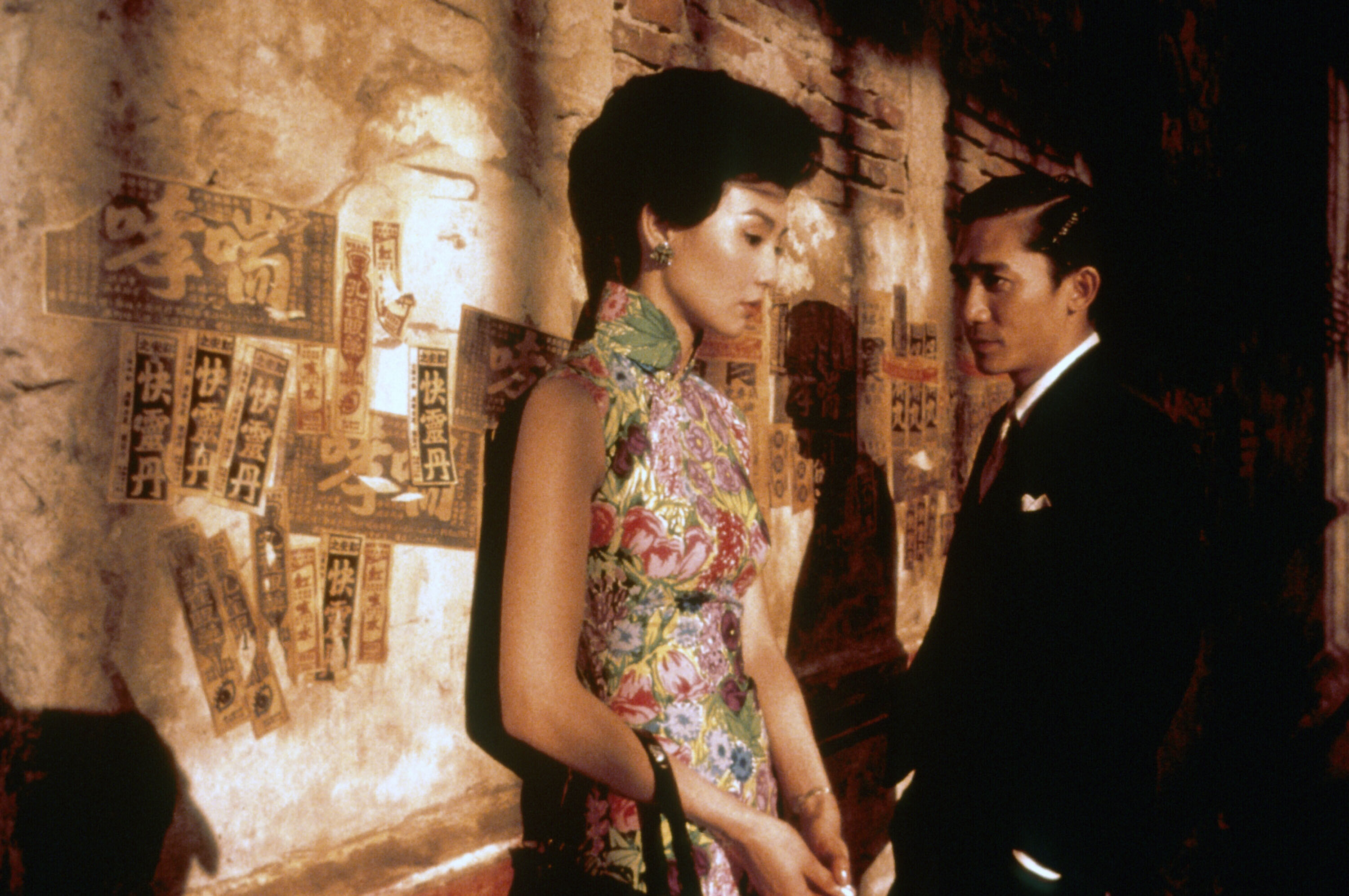
The film delicately explores the complexities of love and relationships, portraying the emotional tension between the protagonists as they navigate their feelings for each other while grappling with the betrayal they have experienced. The subtle yet profound performances by actors Tony Leung and Maggie Cheung imbue the characters with a sense of longing and melancholy that resonates with audiences on a deeply emotional level.
At its core, “In the Mood for Love” is a visual and emotional feast for the senses, characterized by Wong Kar-wai’s signature stylistic flourishes, such as lush cinematography, evocative music, and meticulously designed costumes and sets. The film’s stunning visuals, combined with its poignant narrative, create a dreamlike atmosphere that transports viewers to a bygone era of forbidden romance and unspoken desires.

One of the most striking aspects of the film is its exploration of cultural and societal norms, particularly in the context of 1960s Hong Kong, where traditional values and expectations often clashed with personal desires and aspirations. Through the characters of Mr. Chow and Mrs. Chan, Wong Kar-wai deftly examines the constraints imposed by society on individuals seeking happiness and fulfillment, highlighting the internal struggles faced by those torn between duty and passion.
Despite the melancholy undertones that pervade the story, “In the Mood for Love” ultimately offers a glimmer of hope and redemption, suggesting that love, in all its forms, has the power to transcend boundaries and endure despite the obstacles that stand in its way. The film’s poignant portrayal of love and loss lingers long after the credits roll, leaving a lasting impression on viewers and solidifying its status as a cinematic classic.
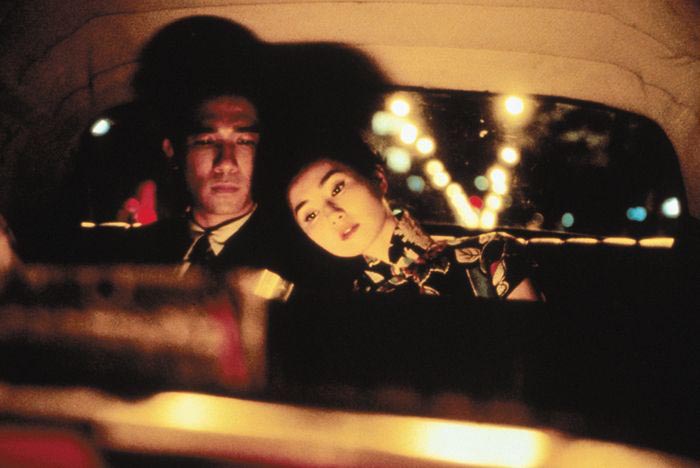
“In the Mood for Love” is a cinematic gem that continues to be celebrated for its timeless themes, evocative storytelling, and breathtaking visuals. Wong Kar-wai’s vision and artistry shine through in every frame, creating a cinematic experience that is as enchanting as it is unforgettable.
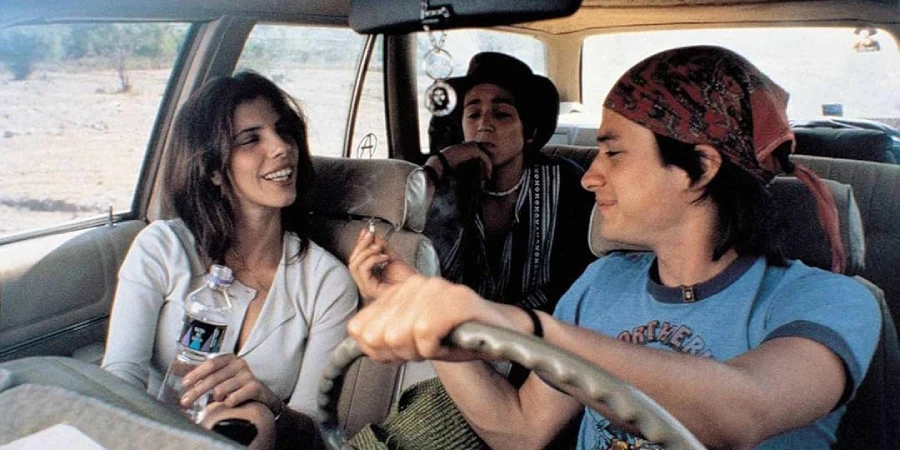
Y Tu Mamá También is a Mexican drama film released in 2001 that garnered critical acclaim and made a significant impact on cinema. Directed by Alfonso Cuarón, the movie follows the journey of two teenage boys, Julio and Tenoch, who embark on a road trip with an older woman, Luisa. As they travel through the Mexican countryside, the trio experiences love, loss, and self-discovery, leading to profound transformations in their lives.
One of the most notable aspects of Y Tu Mamá También is its candid and unfiltered portrayal of Mexican society. The film delves into issues of class disparity, political corruption, and societal taboos with unflinching honesty. Through the lens of the characters’ personal experiences, the audience is confronted with the harsh realities of life in Mexico, shedding light on the complexities of the country’s social and political landscape.
Furthermore, the cinematography in Y Tu Mamá También is striking and evocative, capturing the beauty of the Mexican scenery while also reflecting the inner turmoil of the characters. The handheld camera work and intimate close-up shots intensify the emotional depth of the story, immersing the viewers in the characters’ tumultuous journey.
In addition to its visual prowess, the film is driven by powerful performances from its cast. Gael García Bernal and Diego Luna deliver compelling portrayals of Julio and Tenoch, bringing depth and authenticity to their characters’ coming-of-age struggles. Maribel Verdú shines as Luisa, infusing her role with vulnerability and resilience that resonate with audiences long after the credits roll.
Beyond its artistic achievements, Y Tu Mamá También has been praised for its exploration of themes such as friendship, desire, and mortality. The film’s narrative is a poignant meditation on the fleeting nature of youth and the inevitability of change, serving as a universal reflection on the human experience.
In conclusion, Y Tu Mamá También stands as a groundbreaking work of cinema that continues to captivate audiences with its raw emotion, social commentary, and visual artistry. Through its powerful storytelling and nuanced performances, the film leaves a lasting impact, inviting viewers to ponder life’s complexities and embrace the transformative power of self-discovery.
3. Mulholland Drive (2001) – IMDb: 7.9In 2001, filmmaker David Lynch released his enigmatic and mesmerizing masterpiece, “Mulholland Drive.” The film follows the story of a woman who suffers amnesia after a car accident on the eponymous road in Los Angeles. As she tries to piece together her identity, she encounters a cast of mysterious and compelling characters that lead her down a rabbit hole of dreams, desires, and dark secrets.
One of the most fascinating aspects of “Mulholland Drive” is its non-linear narrative structure, which challenges traditional storytelling conventions. Lynch weaves a complex and surreal tapestry of interconnected events, blurring the lines between reality and fantasy. This unconventional approach invites viewers to interpret the film in their own way, sparking endless debates and theories about its true meaning.
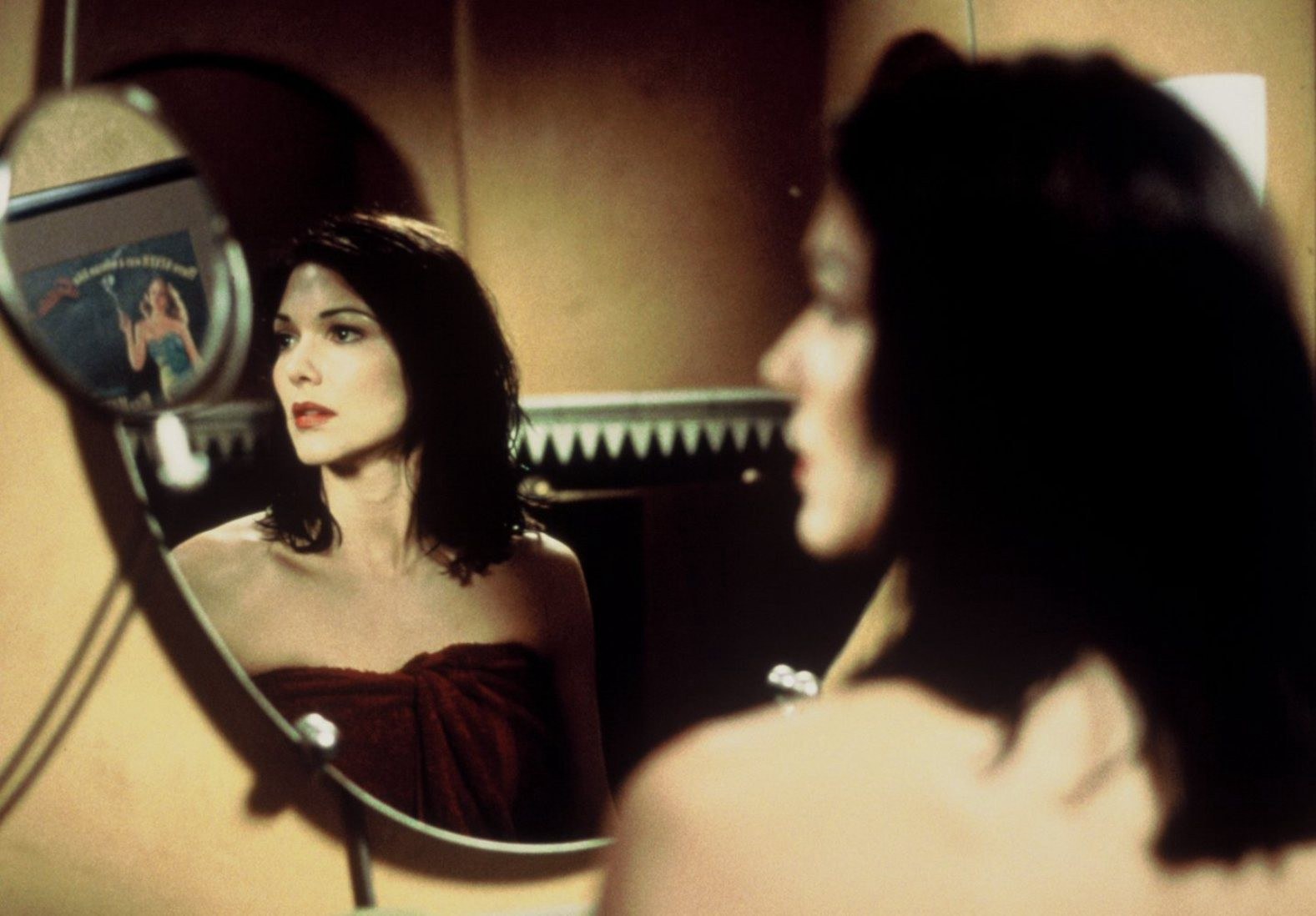
The film’s haunting atmosphere is heightened by Lynch’s masterful use of sound and visuals. From the eerie hum of Angelo Badalamenti’s score to the lush cinematography that captures the dark underbelly of Hollywood, every frame of “Mulholland Drive” is meticulously crafted to create a sense of unease and intrigue.
At the heart of the film is a powerhouse performance by actress Naomi Watts, who delivers a tour de force portrayal of the amnesiac woman unraveling the mysteries of her past. Watts effortlessly transitions between vulnerability and strength, capturing the emotional core of the film with raw intensity.

As the narrative unfolds, “Mulholland Drive” delves deep into themes of identity, ambition, and the dark side of fame. Lynch layers symbolism and subtext throughout the film, inviting viewers to peel back its many layers and discover hidden meanings beneath the surface.
Despite its complex and enigmatic nature, “Mulholland Drive” remains a cult classic that continues to captivate audiences nearly two decades after its release. Its enduring legacy lies in its ability to defy categorization and challenge viewers to think beyond the confines of traditional storytelling.
In conclusion, “Mulholland Drive” is a cinematic journey unlike any other, a surreal and hypnotic exploration of the human psyche that leaves a lasting impression long after the credits roll. Lynch’s visionary direction combined with a standout performance by Naomi Watts cements the film as a modern masterpiece that will continue to intrigue and mystify audiences for years to come.
“The Dreamers” is a captivating and thought-provoking film released in 2003, directed by Bernardo Bertolucci. The movie is set against the backdrop of the volatile political climate in Paris during the protests of May 1968. It follows the story of an American student named Matthew who befriends a pair of French siblings, Isabelle and Theo, leading to a complex and intense relationship that challenges their beliefs and boundaries.
The film delves deep into the themes of youth, rebellion, identity, and sexuality, immersing the audience in a world where the characters’ desires and ideologies clash against the backdrop of social change. Through vivid cinematography and powerful storytelling, Bertolucci masterfully captures the turbulence of the era and the intricacies of human emotions.
As the narrative unfolds, the audience is drawn into the intimate connection between the three protagonists, exploring their dreams, fears, and vulnerabilities. The film blurs the lines between reality and fantasy, inviting viewers to question societal norms and confront their own perceptions of freedom and responsibility.
One of the most striking aspects of “The Dreamers” is its raw and unapologetic portrayal of burgeoning sexuality and the complexities of human relationships. The characters’ interactions are charged with a palpable sense of desire and exploration, pushing the boundaries of societal expectations and traditional morality.
With stellar performances from its cast and a mesmerizing visual style, the film leaves a lasting impact on the viewer, prompting reflection on the nature of love, friendship, and personal growth. “The Dreamers” challenges conventional norms and invites audiences to embark on a journey of self-discovery and introspection.

In conclusion, “The Dreamers” is a cinematic masterpiece that continues to resonate with audiences years after its release. It serves as a testament to the power of storytelling in exploring the depths of human experience and emotion, making it a timeless classic in the realm of cinema.