Sleeping Beauty (2011) is a captivating film that reimagines the classic fairy tale in a contemporary setting. Directed by Julia Leigh, this Australian drama explores themes of sexuality, power dynamics, and personal agency.
The movie follows the story of Lucy, a young university student who is drawn into a mysterious world of high-end prostitution. As she becomes more deeply involved in this clandestine society, Lucy must navigate the blurred boundaries between pleasure and exploitation.
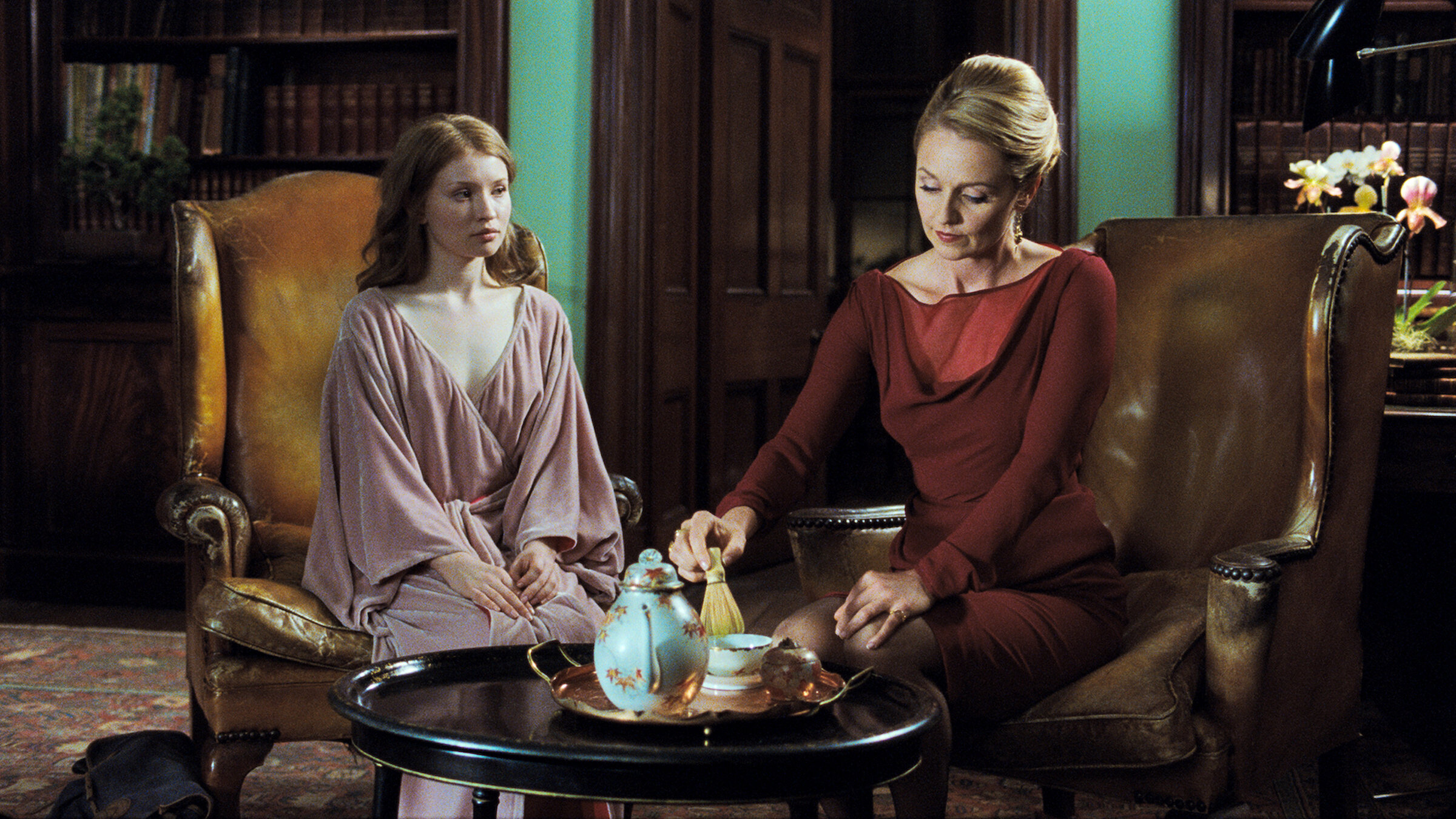
One of the most striking aspects of Sleeping Beauty is its visual style. The film is beautifully shot, with hauntingly atmospheric cinematography that creates a sense of dreamlike unreality. This aesthetic serves to heighten the film’s exploration of Lucy’s inner conflicts and desires.
Emily Browning delivers a mesmerizing performance as Lucy, capturing the character’s vulnerability and complexity with nuance and depth. Her portrayal is both haunting and compelling, drawing the audience into Lucy’s world and inner turmoil.

Throughout the film, Sleeping Beauty challenges traditional narratives of femininity and power. Lucy’s journey is one of self-discovery and defiance, as she grapples with the expectations and demands placed upon her by society and by herself.
The film’s exploration of sexuality is provocative and thought-provoking, delving into the complexities of desire and control. Through Lucy’s interactions with her clients and her own choices, Sleeping Beauty raises questions about agency, consent, and the ways in which society commodifies and objectifies female bodies.

Overall, Sleeping Beauty is a visually stunning and intellectually stimulating film that offers a fresh perspective on a familiar story. With its mesmerizing visuals, complex characters, and thought-provoking themes, this modern retelling of the classic fairy tale is sure to leave a lasting impression on viewers.