Set in the year 1973, “Seduction” is a film that delves into the complexities of desire, power, and manipulation. Released during a time of cultural shift and evolving social norms, this movie captures the essence of seduction in its rawest form.
The plot revolves around the character of Emily, a young and ambitious woman who uses her charm and wit to get what she wants. Throughout the film, we see how Emily navigates through the challenges of seduction, using her sexuality as a tool to manipulate those around her.

As the story unfolds, we witness the dark and twisted side of seduction, where love and lust intertwine in a dangerous dance. The film portrays seduction not just as a means of attraction, but as a game of power and control.
The year 1973 holds a significant place in history, marked by pivotal moments that shaped society’s views on gender, relationships, and sexuality. “Seduction” captures the essence of this era, reflecting the tensions and contradictions that defined the time.
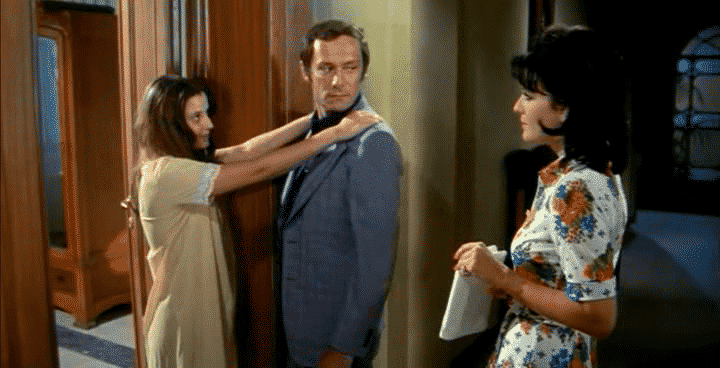
With its rich storytelling and compelling characters, “Seduction” remains a timeless exploration of human behavior and the complexities of desire. The film challenges viewers to question the motives behind seduction and the blurred lines between manipulation and genuine attraction.
Through its portrayal of Emily’s journey, “Seduction” forces us to confront our own perceptions of seduction and power dynamics in relationships. It serves as a mirror to society, reflecting the intricacies of human nature and the allure of temptation.
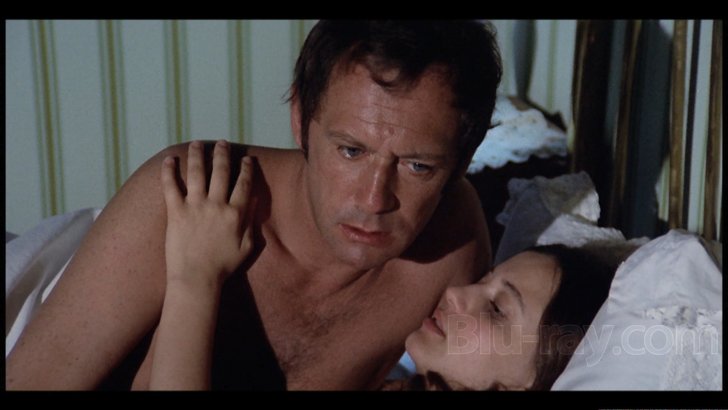
In conclusion, “Seduction” (1973) stands as a captivating and thought-provoking film that transcends time. Its exploration of seduction as a tool for manipulation and power remains as relevant today as it was back in 1973, making it a timeless piece of cinematic art.