The TV series “Picket Fences” originally aired from 1992 to 1996 and captured the hearts of viewers with its compelling storytelling and well-developed characters. Created by David E. Kelley, the show was set in the fictional town of Rome, Wisconsin, where Sheriff Jimmy Brock, played by Tom Skerritt, dealt with various criminal cases and moral dilemmas.
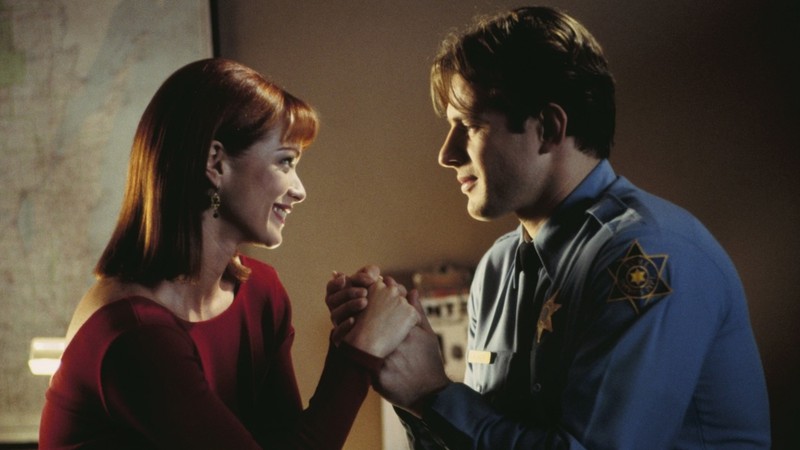
One of the standout aspects of “Picket Fences” was its unique blend of drama, humor, and social commentary. The show tackled controversial issues such as abortion, homophobia, and censorship with nuance and sensitivity, sparking important conversations among its audience. The small-town setting provided a backdrop for exploring these complex themes, showing how even seemingly idyllic communities grapple with difficult realities.
The characters in “Picket Fences” were multi-dimensional and relatable, making it easy for viewers to become emotionally invested in their lives. From the eccentric Judge Henry Bone to the quirky lawyer Douglas Wambaugh, each character brought something special to the show, adding depth and richness to the storytelling. The relationships and interactions between the characters were a central focus of the series, highlighting the interconnectedness of small-town life.
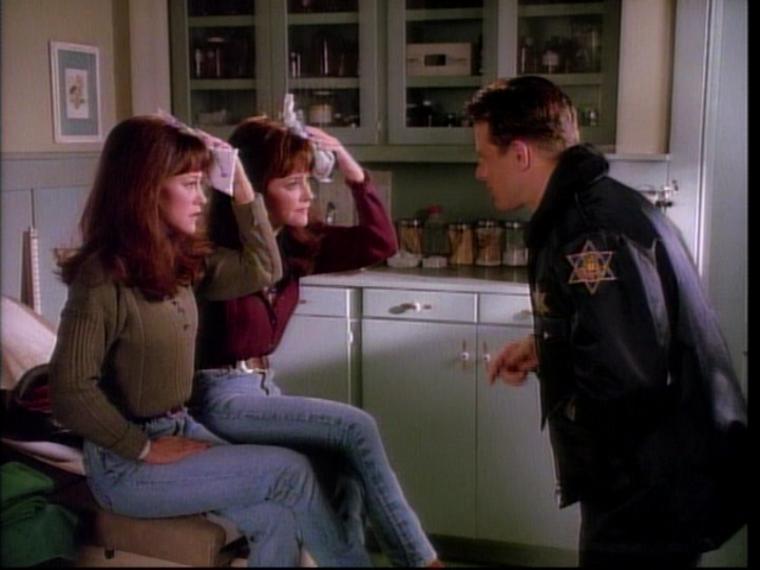
Beyond its engaging characters and thought-provoking storylines, “Picket Fences” also received critical acclaim for its writing and acting. The show won multiple Emmy Awards during its run, recognizing its outstanding achievements in television. The talented cast, which included actors like Kathy Baker, Holly Marie Combs, and Fyvush Finkel, brought their characters to life with authenticity and skill, further elevating the show’s impact.
Despite its relatively short four-season run, “Picket Fences” left a lasting impression on both viewers and critics alike. Its legacy as a groundbreaking and innovative series endures, paving the way for future shows to explore complex social issues with intelligence and empathy. The show’s ability to blend drama, humor, and social commentary in a small-town setting remains a testament to its enduring appeal and relevance, solidifying its place in television history.