“Belle Epoque” (1992) is a Spanish film directed by Fernando Trueba that takes viewers on a captivating journey through love, laughter, and self-discovery. Set in 1931 during the Second Spanish Republic, the movie follows the story of a young soldier named Fernando who seeks refuge in a remote farmhouse occupied by four beautiful and enchanting sisters.
As the plot unfolds, Fernando becomes entangled in a series of romantic escapades with each of the sisters, sparking a whirlwind of emotions and desires. Through his interactions with the women, he not only discovers the complexities of love but also embarks on a journey of self-exploration and growth.

The film masterfully weaves together elements of comedy, drama, and romance, creating a rich tapestry of emotions that resonate with audiences of all ages. The picturesque Spanish countryside serves as a stunning backdrop for the unfolding drama, adding depth and beauty to the story.
One of the film’s standout features is its strong character development, with each sister bringing a unique perspective and personality to the narrative. From the free-spirited Clara to the passionate Violeta, each sister leaves a lasting impact on Fernando, shaping his understanding of love and relationships.
The chemistry between the characters is palpable, drawing viewers into a world of enchantment and allure. As the bonds between Fernando and the sisters deepen, the film explores themes of passion, desire, and the complexities of human relationships.
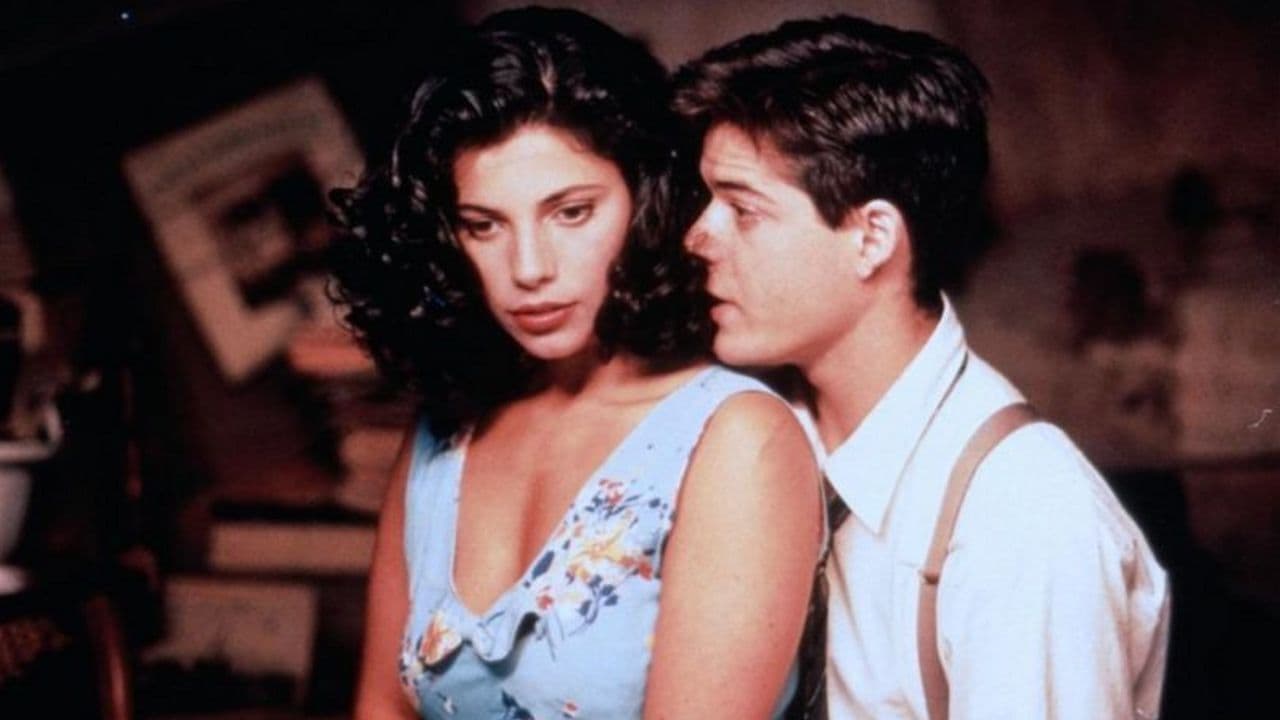
Overall, “Belle Epoque” is a timeless masterpiece that celebrates the beauty of love in all its forms. With its captivating storyline, charming characters, and picturesque setting, the film continues to enchant audiences around the world, leaving a lasting impression long after the credits roll.
