8.3
8.3
American Beauty, released in 1999, is a timeless cinematic masterpiece that has left an indelible mark on the world of film. Directed by Sam Mendes and written by Alan Ball, the movie delves deep into the complexities of suburban life, unraveling the facades of outward perfection to expose the underlying turmoil and disillusionment.

At the heart of American Beauty is the character of Lester Burnham, portrayed brilliantly by Kevin Spacey. Lester is a middle-aged man who is going through a midlife crisis, feeling trapped in a loveless marriage and a dead-end job. His journey of self-discovery and rebellion against societal norms forms the crux of the narrative, resonating with audiences on a profound level.
The film also explores themes of beauty, desire, and the quest for happiness in a world consumed by materialism and superficiality. Through the character of Angela Hayes, played by Mena Suvari, American Beauty challenges conventional notions of beauty and examines the destructive power of obsession and unattainable ideals.

Annette Bening delivers a powerful performance as Carolyn Burnham, Lester’s ambitious and image-conscious wife. Her portrayal captures the desperation and vulnerability that lie beneath Carolyn’s outward façade of success, highlighting the poignant theme of the emptiness of chasing external validation.
The supporting cast, including Thora Birch as Lester and Carolyn’s daughter Jane, and Wes Bentley as Ricky Fitts, Jane’s mysterious and introspective neighbor, adds layers of depth to the narrative, bringing to life the intricacies of human relationships and the search for authenticity in a world of pretense.

American Beauty is not just a film; it is a reflection of society’s hidden truths and darkest desires. It challenges viewers to confront their own perceptions of beauty, success, and happiness, sparking conversations that extend far beyond the confines of the screen.
With its bold storytelling, stunning visuals, and haunting musical score, American Beauty has cemented its legacy as a cinematic classic that continues to captivate and provoke thought decades after its release. It stands as a testament to the power of cinema to illuminate the human experience in all its complexities and contradictions.
 Mulholland Drive (2001) – Psychological Drama – 8.0
Released in 2001, “Mulholland Drive” is a film that continues to captivate and mystify audiences with its complex narrative and thought-provoking themes. Directed by David Lynch, this neo-noir psychological thriller takes viewers on a surreal journey through the streets of Los Angeles, with twists and turns that keep them guessing until the very end.

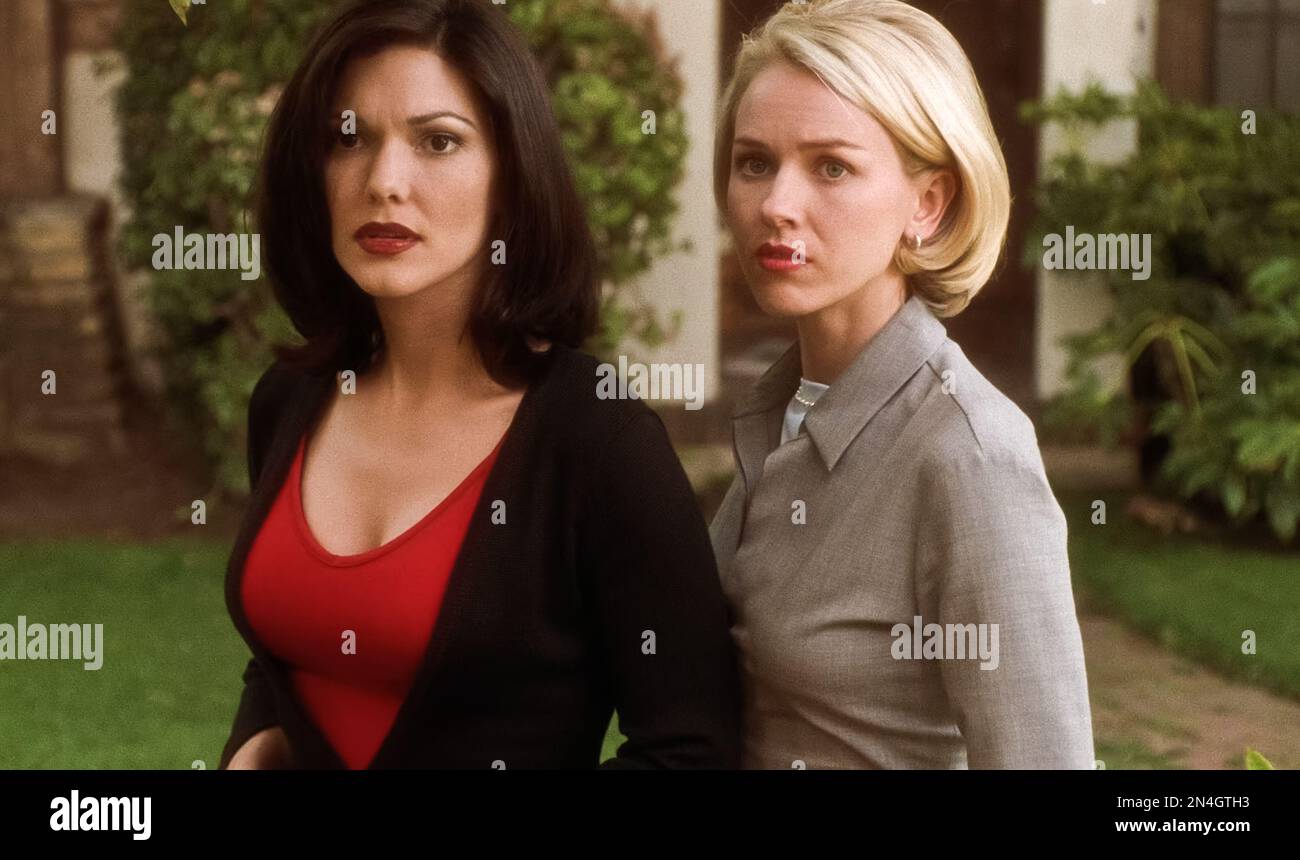
Set against the backdrop of Hollywood, “Mulholland Drive” follows the story of Betty Elms, a young aspiring actress portrayed by Naomi Watts, and Rita, an amnesiac woman played by Laura Harring. As the two women embark on a quest to uncover Rita’s true identity, they become entangled in a web of deception, illusion, and alternate realities that blur the lines between dreams and reality.
One of the most fascinating aspects of “Mulholland Drive” is its non-linear narrative structure, which challenges conventional storytelling norms and invites viewers to piece together the fragments of the plot themselves. This unconventional approach not only adds to the film’s enigmatic nature but also allows for multiple interpretations and theories about its underlying meaning.

David Lynch’s masterful direction and attention to detail are evident throughout the film, from the hauntingly beautiful cinematography to the eerie sound design. The atmospheric tension he creates keeps viewers on the edge of their seats, unsure of what will happen next in this dark and enigmatic world he has crafted.
The performances in “Mulholland Drive” are nothing short of stellar, with Naomi Watts delivering a breakout performance that showcases her range as an actress. Laura Harring’s portrayal of Rita is equally mesmerizing, drawing viewers into her character’s mysterious past and uncertain future.
As the film hurtles towards its mind-bending conclusion, viewers are left questioning the nature of identity, memory, and the blurred boundaries between fantasy and reality. “Mulholland Drive” is a cinematic experience that lingers long after the credits roll, inviting audiences to revisit its intricate layers and hidden meanings time and time again.
In conclusion, “Mulholland Drive” is a cinematic masterpiece that defies traditional storytelling conventions and challenges viewers to think beyond the surface. With its haunting atmosphere, complex characters, and twisting narrative, this film continues to intrigue and bewilder audiences, cementing its status as a modern classic in the world of cinema.
 Brokeback Mountain (2005) – Romantic Drama – 7.7
“Brokeback Mountain” is a 2005 American romantic drama film directed by Ang Lee. The movie tells the story of two cowboys, Ennis Del Mar and Jack Twist, who develop a complex and deep romantic relationship during a sheepherding job in the 1960s.
The film, based on a short story by Annie Proulx, explores themes of love, masculinity, societal norms, and the hardships of forbidden love. Throughout the film, the audience witnesses the struggles faced by Ennis and Jack as they navigate their feelings for each other while trying to conform to the expectations of society and their own internal conflicts.

The performances of the lead actors, Heath Ledger as Ennis Del Mar and Jake Gyllenhaal as Jack Twist, received critical acclaim for their raw and emotional portrayals of the characters. Ledger’s performance, in particular, was praised for its depth and vulnerability, earning him an Academy Award nomination for Best Actor.
The cinematography of “Brokeback Mountain” captures the beauty of the Wyoming landscape, serving as a stark contrast to the tumultuous emotions and tumultuous relationship of the two protagonists. The film’s visual storytelling adds another layer of depth to the narrative, enhancing the audience’s immersion into the characters’ world and emotions.

One of the most significant aspects of the film is its exploration of LGBTQ+ themes and the challenges faced by individuals in same-sex relationships during a time when society was less accepting. “Brokeback Mountain” sheds light on the struggles and heartaches experienced by Ennis and Jack as they come to terms with their feelings and the consequences of living in a world that does not understand or accept their love.
Overall, “Brokeback Mountain” is a powerful and poignant film that resonates with audiences for its honest portrayal of love, longing, and the complexities of the human heart. It remains a timeless piece of cinema that continues to spark conversations about love, identity, and the enduring power of connection, making it a classic in the realm of romantic dramas.
 Lust, Caution (2007) – Erotic Spy Thriller – 7.4
“Lust, Caution (2007)” is a mesmerizing film directed by Ang Lee that captivates audiences with its intricate plot and powerful performances. Set in Hong Kong during World War II, the movie tells the story of a young Chinese woman, Wang Jiazhi, who gets involved in a dangerous game of espionage and seduction.

The film delves deep into the themes of desire, betrayal, and sacrifice as Wang Jiazhi finds herself torn between her feelings for Mr. Yee, a powerful political figure, and her loyalty to her country. Their relationship unfolds in a complex dance of lust and caution, blending passion with danger in a volatile mix.
The title “Lust, Caution” perfectly encapsulates the central conflict of the story, highlighting the characters’ intense desires and the constant need for vigilance in a perilous world. As the narrative unravels, the audience is drawn into a web of emotions and suspense, unsure of where the characters’ loyalties truly lie.

The cinematography in the film is stunning, capturing the essence of 1940s Shanghai with exquisite detail and creating a rich visual tapestry that enhances the story’s ambiance. The film’s meticulous attention to period accuracy adds an extra layer of authenticity to the narrative, immersing viewers in a bygone era of glamour and intrigue.
Ang Lee’s masterful direction brings out the best in the cast, with standout performances from Tony Leung and Tang Wei, who imbue their characters with depth and nuance. Their on-screen chemistry crackles with tension, adding an extra layer of complexity to the film’s central relationship.

Overall, “Lust, Caution” is a cinematic tour de force that weaves together elements of romance, espionage, and suspense into a seamless narrative. Its exploration of love and betrayal in a time of war resonates long after the credits roll, leaving a lasting impression on viewers and cementing its status as a modern classic.
 The Piano Teacher (2001) – Erotic Psychological Drama – 7.4
“The Piano Teacher” (2001) is a captivating and thought-provoking film that delves deep into the complexities of human relationships and desires. Directed by Michael Haneke, this Austrian drama follows the story of Erika Kohut, a talented but emotionally repressed piano teacher living in Vienna.

The film explores themes of control, power dynamics, and the destructive nature of repressed emotions. Erika’s strict and demanding mother has played a pivotal role in shaping her personality, leading her to suppress her own desires and live a life devoid of intimacy and connection.
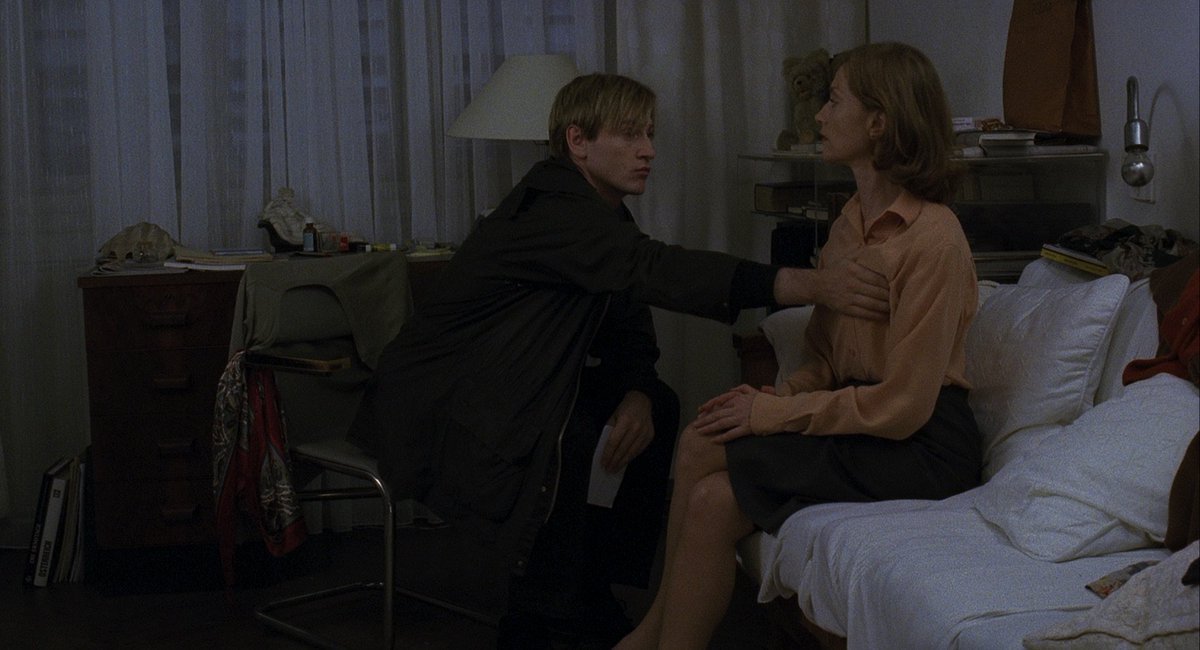
Erika’s life takes an unexpected turn when she becomes infatuated with one of her students, Walter Klemmer, a young and handsome aspiring pianist. Their relationship quickly becomes twisted and manipulative, blurring the lines between teacher and student, love and obsession.

As the story unfolds, “The Piano Teacher” delves into the darker aspects of human nature, exploring taboo subjects with a raw and unflinching gaze. The film challenges viewers to confront uncomfortable truths about sexuality, power, and the lengths to which people will go to fulfill their desires.
Isabelle Huppert delivers a stunning performance as Erika, embodying the character’s internal turmoil and emotional complexity with haunting precision. Her portrayal earned her critical acclaim and solidified her reputation as one of the finest actresses of her generation.
Through its meticulous direction, nuanced performances, and haunting soundtrack, “The Piano Teacher” immerses viewers in a world of obsession, control, and ultimately, self-destruction. The film leaves a lasting impact, prompting reflection on the depths of human longing and the consequences of denying one’s true self.
In conclusion, “The Piano Teacher” (2001) is a cinematic masterpiece that resonates long after the credits roll. It is a film that challenges, disturbs, and ultimately compels viewers to confront the complexities of human nature in all its raw and unfiltered glory.